
Case study · Highway drainage
Pune–Nashik Highway Drainage
GFRP-reinforced drainage channels along a busy highway, built to take constant water exposure and heavy traffic loads for decades.
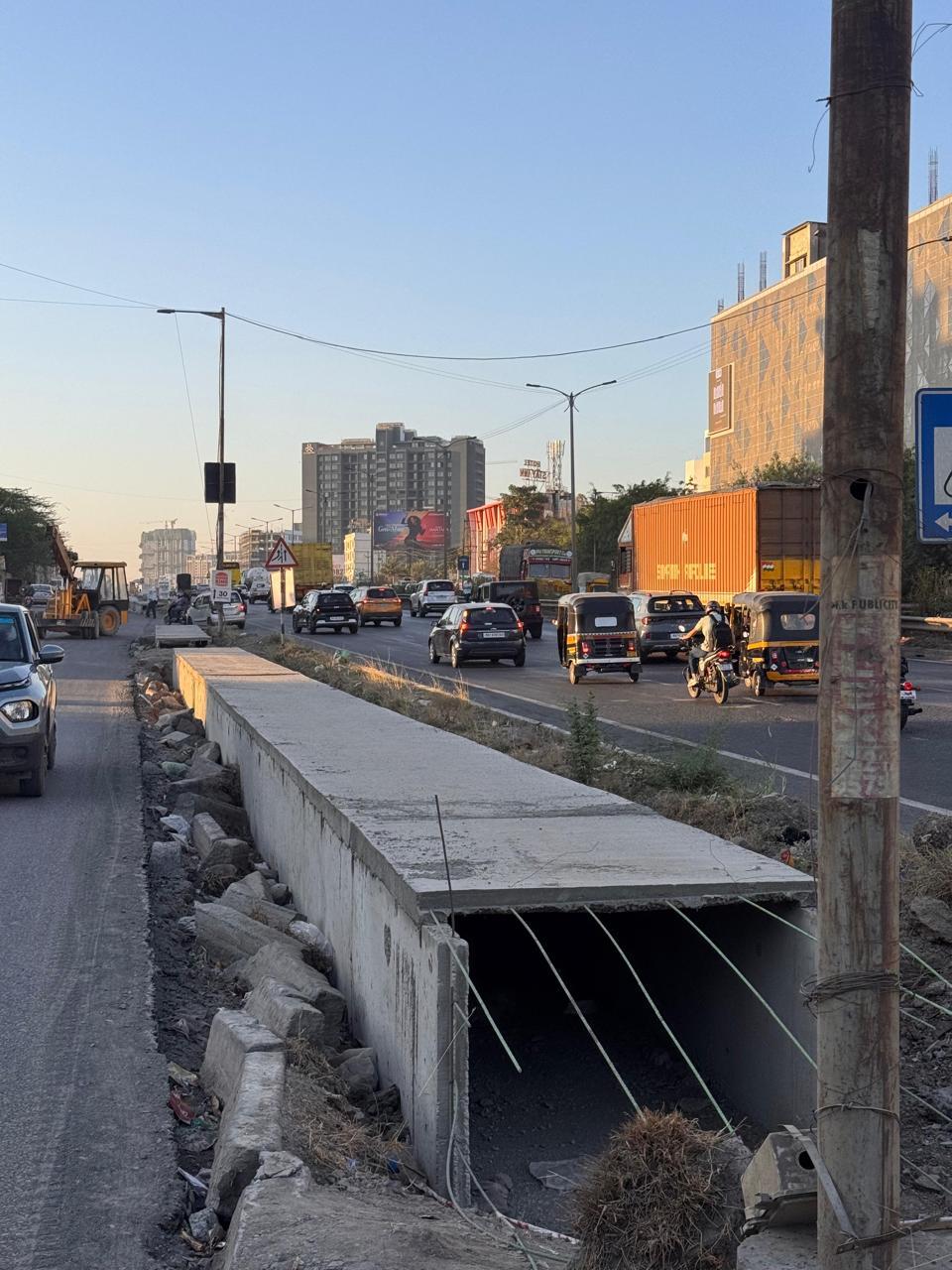
- Location
- Pune–Nashik Highway
- Structure
- Drainage channels
- Reinforcement
- GFRP rebar
- Loading
- Heavy highway traffic
Challenges faced
Constant water, heavy traffic and a service life measured in decades.
Continuous water exposure
The highway drainage system was constantly exposed to rainwater, runoff, and moisture, creating conditions that could accelerate corrosion in conventional steel-reinforced drainage channels.
Heavy traffic loads
The drainage structures were required to withstand heavy vehicular loads, vibrations, and dynamic stresses from continuous highway traffic without compromising structural integrity.
Requirement for long service life
The project demanded a durable drainage solution capable of performing reliably for decades with minimal maintenance and disruption to highway operations.
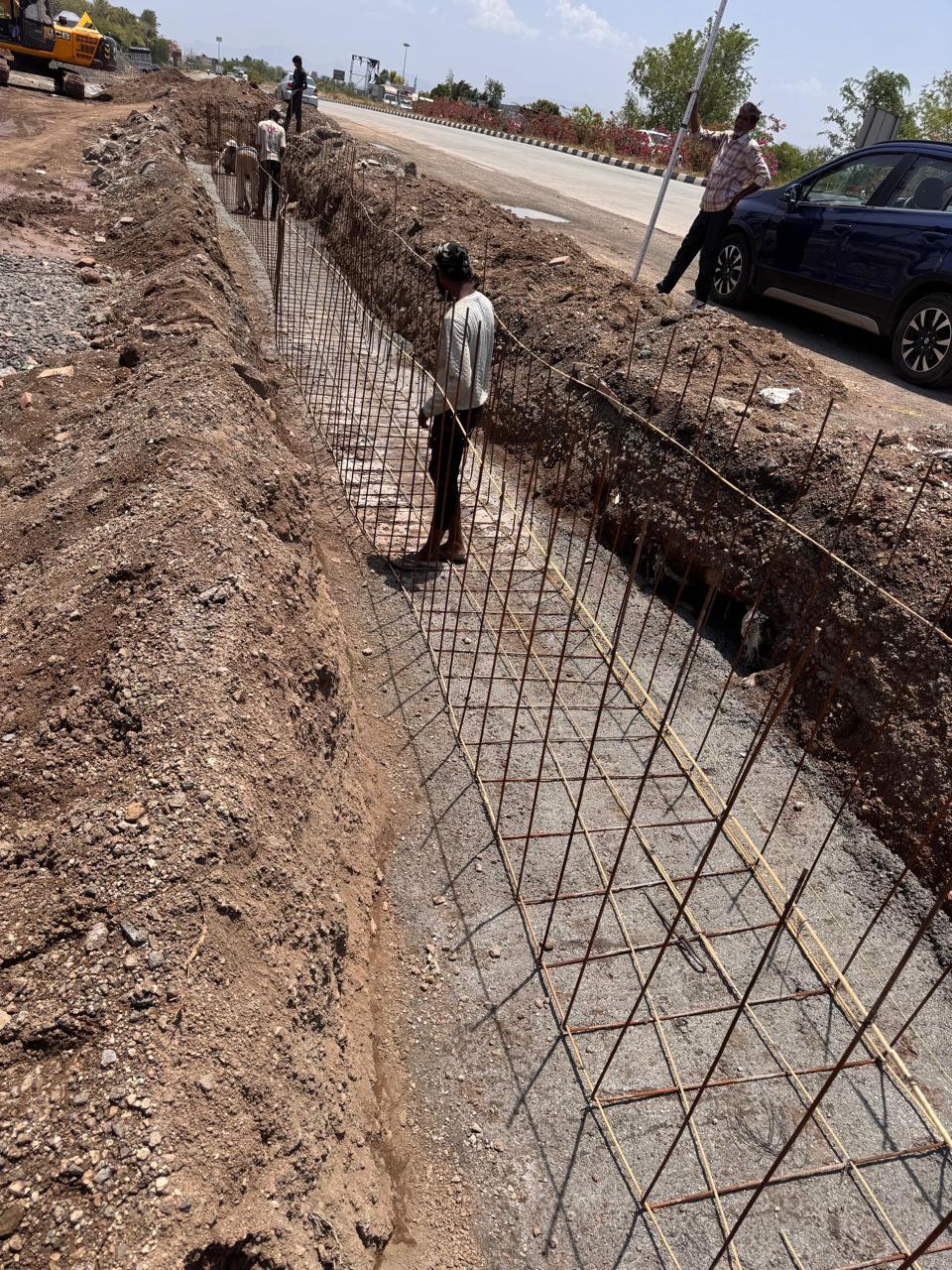
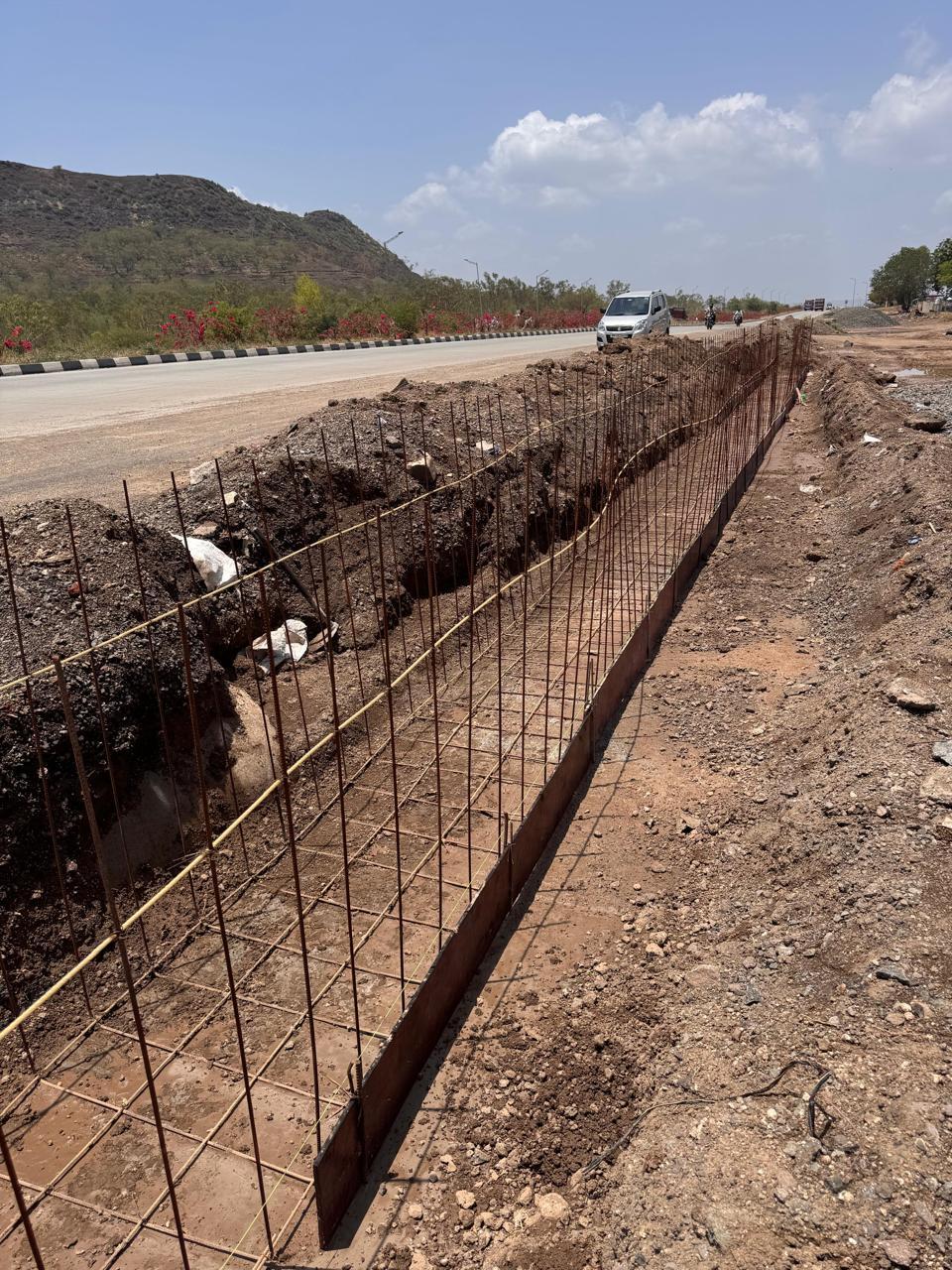
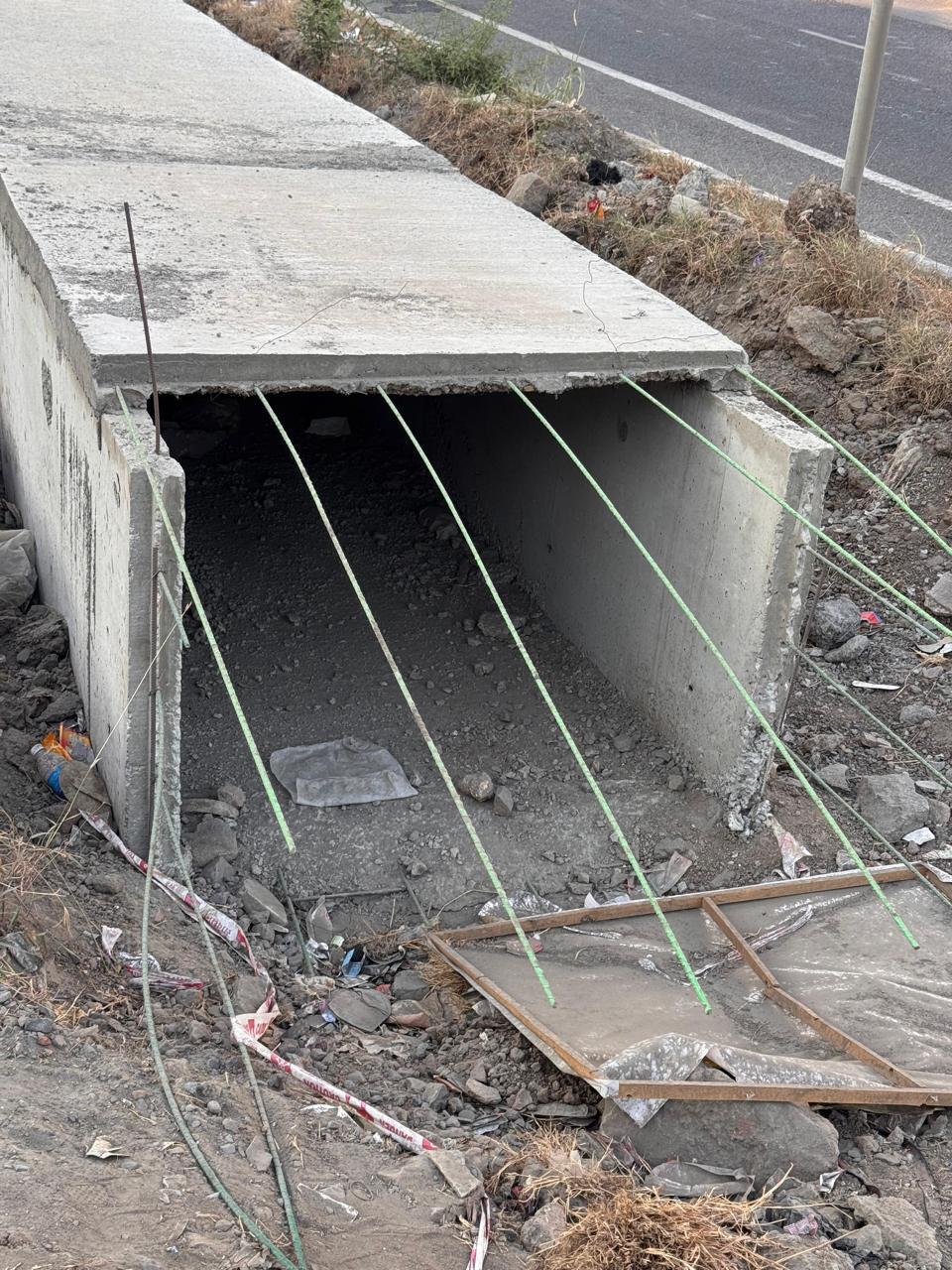
Along the corridor
Lightweight GFRP bars simplified transport and installation along the highway corridor.
Solutions implemented
Use of GFRP rebar
We supplied GFRP rebar for reinforcing the drainage channels and associated concrete structures. Its corrosion-resistant properties ensured long-term performance despite constant exposure to water and environmental contaminants.
Lightweight and easy handling
The lightweight nature of GFRP rebar simplified transportation and installation along the highway corridor, reducing labor requirements and accelerating construction activities.
Enhanced durability against environmental conditions
Unlike steel, GFRP rebar is unaffected by moisture, chlorides, and de-icing chemicals often present in road drainage systems. This significantly improved the durability and reliability of the infrastructure.
Reduced maintenance requirements
The use of non-corrosive reinforcement minimized the risk of cracking and concrete spalling caused by rust expansion, reducing future repair and maintenance costs.
Project outcome
The highway drainage system was completed successfully within the planned schedule and budget.
The GFRP-reinforced drainage structures demonstrated excellent strength and durability, effectively managing stormwater while withstanding heavy traffic loads and environmental exposure.
The adoption of GFRP rebar has enhanced the expected service life of the drainage infrastructure, minimizing maintenance interventions and ensuring uninterrupted highway operations for years to come.
Conclusion
This highway drainage project showcases the benefits of GFRP rebar in critical road infrastructure applications. By eliminating corrosion concerns, improving installation efficiency, and extending service life, GFRP rebar provided a durable and cost-effective reinforcement solution. The project reflects our commitment to delivering innovative construction materials that enhance the performance and sustainability of modern transportation infrastructure.
Planning drainage or road works?
See GFRP for roads and highways, read the IS 18256:2023 specification sheet, or look at other completed projects.
 Made with Levo