
Case study · Retaining wall
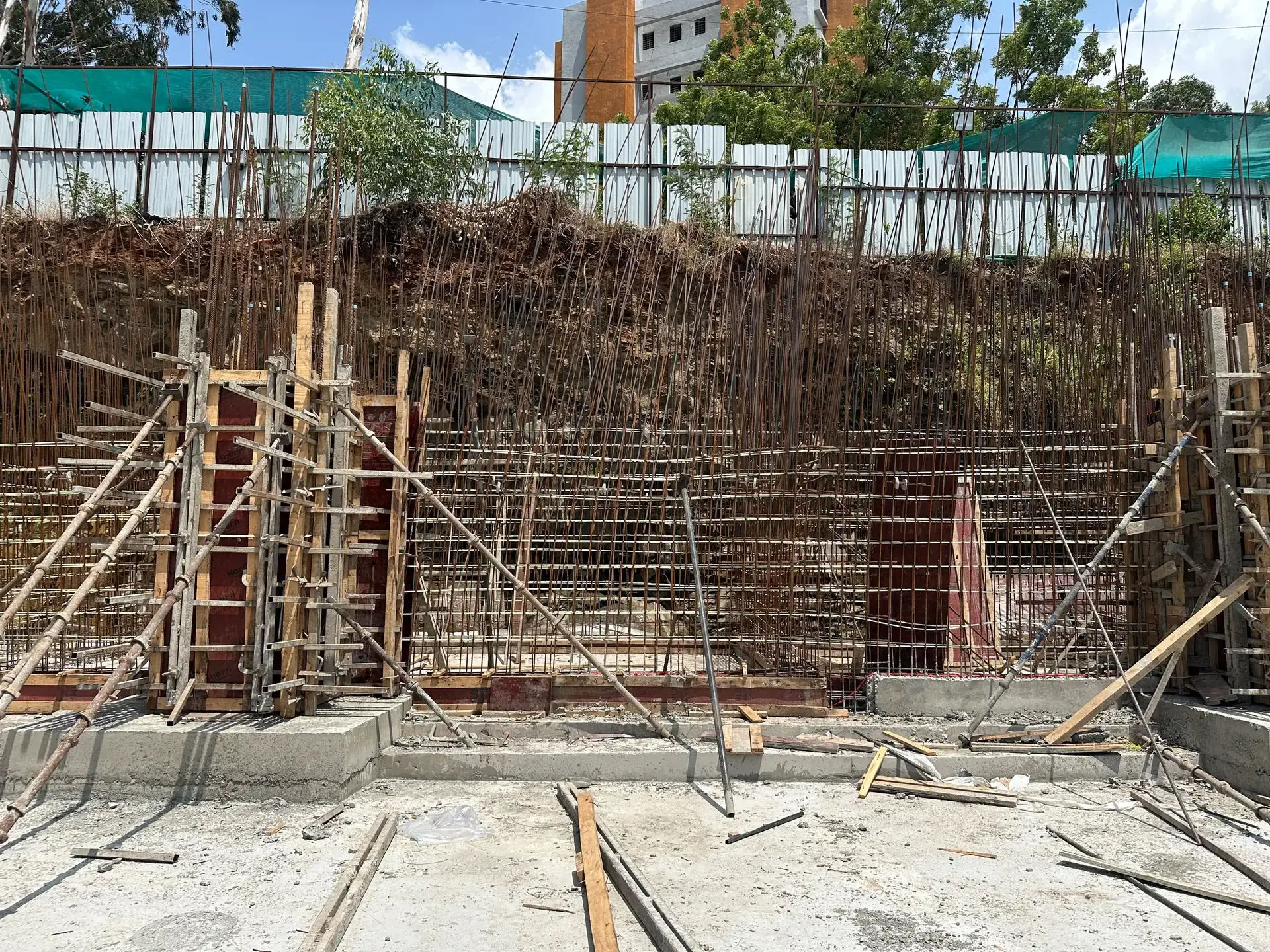
Retaining Wall, Chinchwad, Pune
Corrosion-free GFRP reinforcement for a wall holding back moisture-rich soil and high groundwater, specified for a service life beyond 75 years.
- Location
- Chinchwad, Pune
- Structure
- Retaining wall
- Reinforcement
- GFRP rebar
- Service life target
- 75+ years
Challenges faced
Wet ground, a 75-year design life and limited access for heavy equipment.
Corrosion risk from soil and water exposure
The retaining wall was located in an area with high groundwater levels and moisture-rich soil conditions. Traditional steel reinforcement was vulnerable to corrosion, which could compromise the structural integrity of the wall over time.
Long-term maintenance concerns
The client required a durable retaining structure with a service life exceeding 75 years while minimizing future repair and maintenance costs.
Complex installation environment
The project site had limited access for heavy equipment, making transportation and handling of conventional steel reinforcement difficult and time-consuming.
Solutions implemented
- 01
Use of GFRP rebar
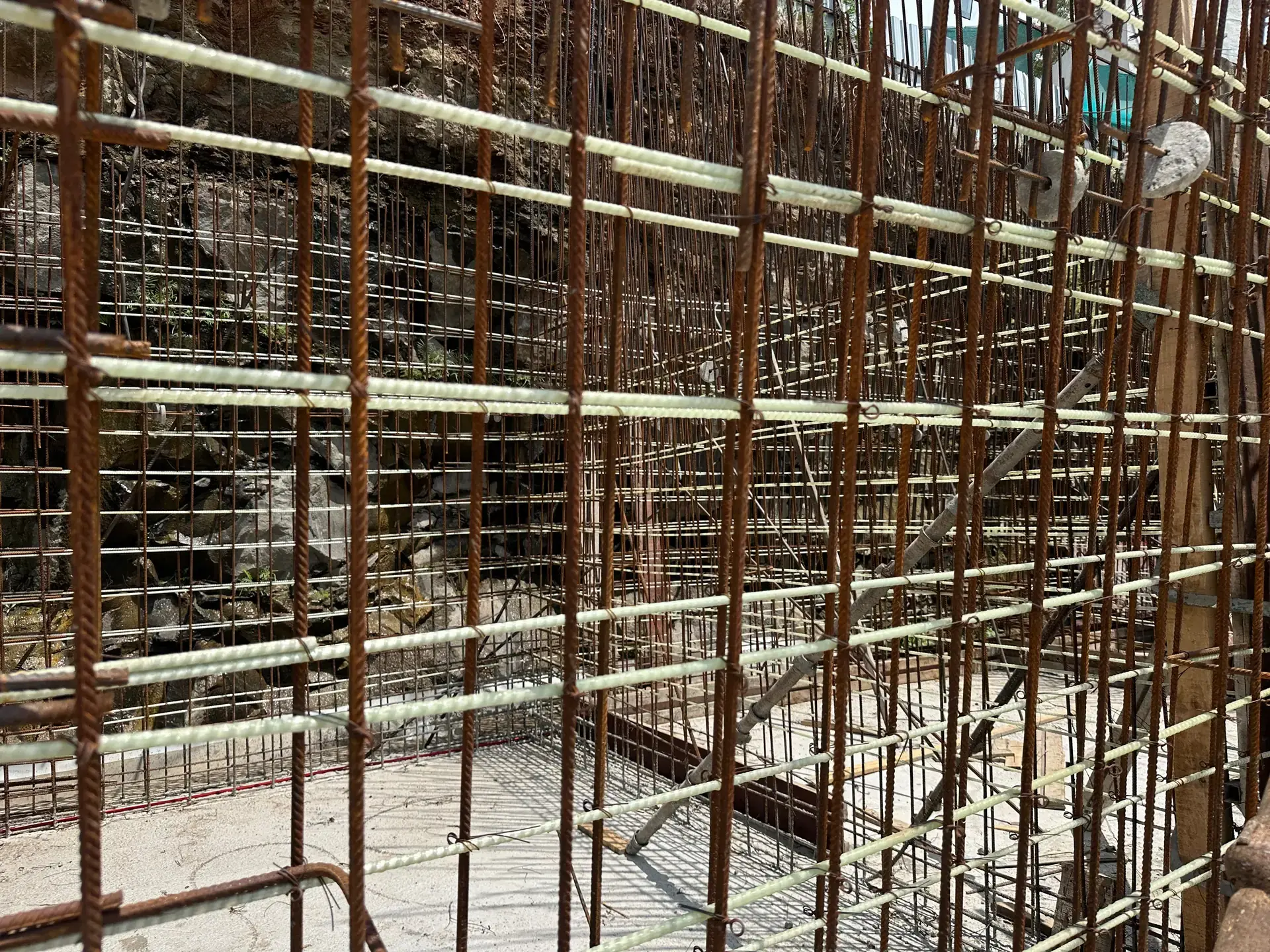
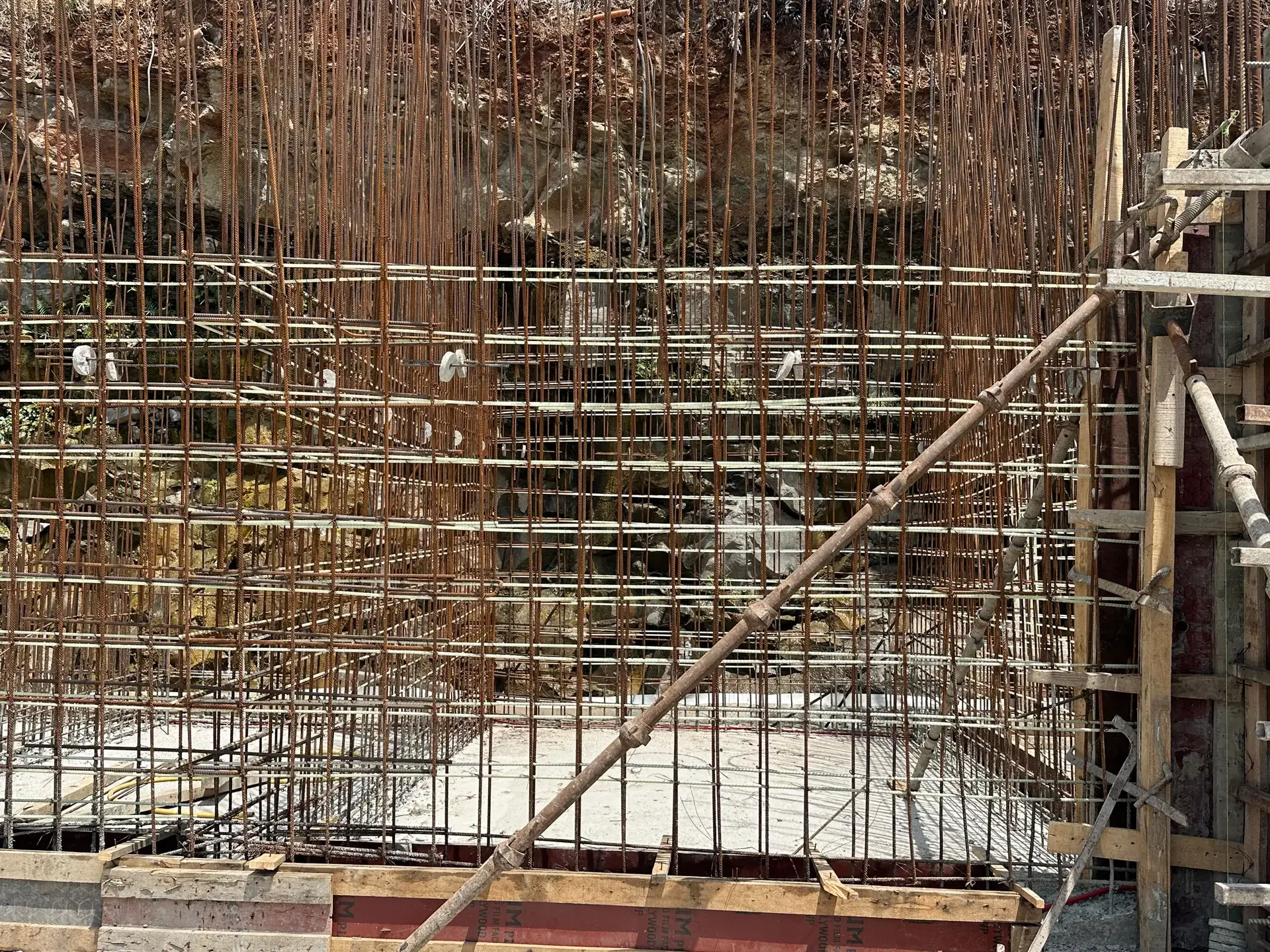
We supplied high-strength GFRP rebar as the primary reinforcement for the retaining wall. Its non-corrosive nature ensured long-term protection against moisture and aggressive soil conditions.
- 02
Lightweight reinforcement system
GFRP rebar weighs approximately 75% less than steel, allowing workers to transport, position, and install reinforcement more efficiently, even in restricted site conditions.
- 03
Enhanced durability design
The retaining wall was designed using GFRP reinforcement to eliminate corrosion-related deterioration, significantly extending the structure's service life and reducing lifecycle costs.
- 04
Reduced concrete cover requirements
Since GFRP is corrosion-free, the design allowed for optimized concrete cover, improving construction efficiency while maintaining structural performance.
Project outcome
The retaining wall was successfully completed on schedule and within budget.
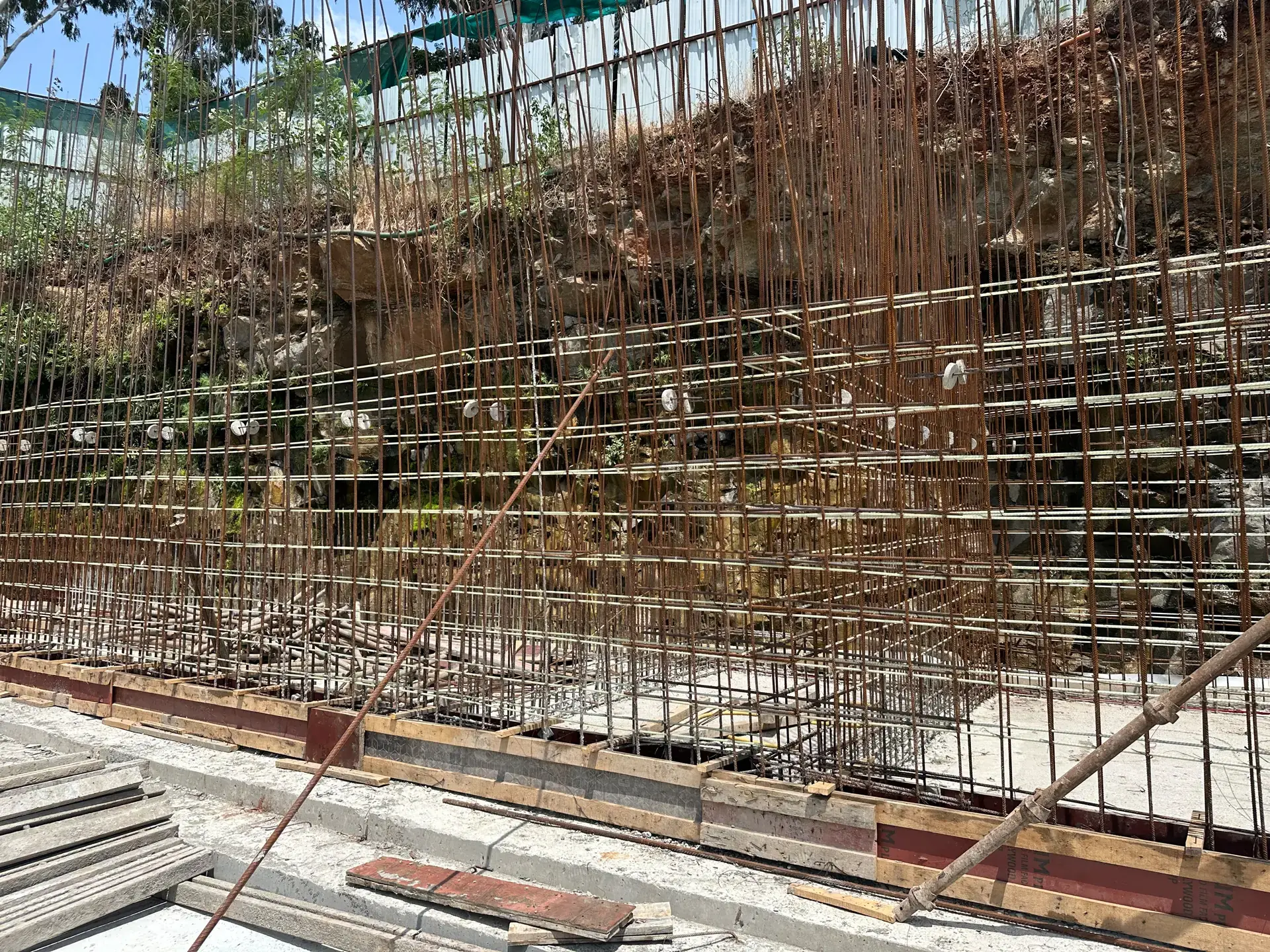
The use of GFRP rebar provided a highly durable and corrosion-resistant reinforcement solution capable of withstanding continuous soil pressure and groundwater exposure. The lightweight reinforcement accelerated construction activities, reducing labour requirements and improving overall project efficiency.
The completed structure offers superior long-term performance with minimal maintenance requirements, ensuring reliable soil retention and enhanced asset life for the client.
Conclusion
The successful implementation of GFRP rebar in this retaining wall project demonstrates its advantages over conventional steel reinforcement in moisture-prone environments. By eliminating corrosion concerns, reducing installation time, and extending service life, GFRP rebar delivered a cost-effective and sustainable solution. This project highlights our commitment to providing advanced reinforcement technologies that improve durability, safety, and long-term value for infrastructure projects.
Planning a retaining wall?
Read the IS 18256:2023 specification sheet, see how it compares with steel rebar, or look at other completed projects.
 Made with Levo